
Introduction
Power Amplifier (PA) modules are essential components in RF and wireless communication systems. Their primary function is to amplify low-power RF signals before transmission, enabling stronger signal coverage, improved communication quality, and longer transmission distances.
PA modules are widely used in wireless communications, telemetry systems, remote control equipment, RF testing, industrial applications, drone communications, and research projects. Understanding how PA modules work can help engineers and system integrators select the most suitable solution for their specific requirements.
What Is a PA Module?
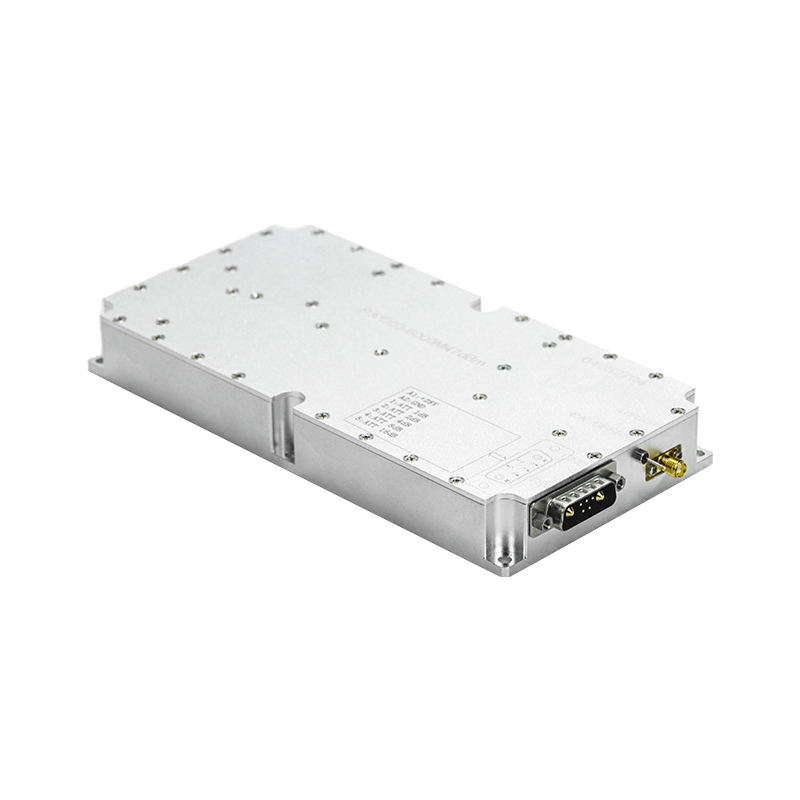
A Power Amplifier (PA) module is an RF device designed to increase the power level of an input signal before it is transmitted through an antenna.
In most RF systems, the signal generated by a transmitter is not strong enough to achieve the required communication range. A PA module boosts the RF signal while maintaining signal integrity and minimizing distortion.
Typical specifications of a PA module include:
- Frequency Range
- Output Power
- Gain
- Efficiency
- Operating Voltage
- Input and Output Impedance
- Thermal Performance
These specifications determine the suitability of a PA module for different RF applications.
How Does a PA Module Work?
The operation of a PA module follows a simple signal chain:
Signal Source → PA Module → Antenna
A low-power RF signal enters the amplifier input, where the internal circuitry increases the signal power. The amplified signal is then delivered to the antenna for transmission.
A high-quality PA module should provide:
- Stable Output Power
- High Gain
- Excellent Linearity
- Low Signal Distortion
- Reliable Thermal Performance
These characteristics directly influence the overall performance of an RF communication system.
Key Features of RF Power Amplifier Modules
1. Wide Frequency Coverage
PA modules are available across various frequency bands, including VHF, UHF, L Band, S Band, C Band, and other custom RF frequencies. The amplifier must fully support the intended operating frequency to avoid performance loss.
2. High Output Power
Output power options range from a few watts to high-power configurations depending on the application requirements. Selecting the right output power ensures adequate communication distance without unnecessary thermal or power burden.
3. High Gain
Gain determines how much the input signal is amplified, improving transmission strength and communication reliability. Typical gain values range from 30–60 dB depending on the module design.
4. Good Linearity
High linearity preserves signal quality, reduces unwanted signal distortion, and is especially important for digitally modulated signals.
5. Reliable Operation
Professional PA modules are designed for stable operation under continuous working conditions when proper cooling is provided.
6. Efficiency
Higher efficiency reduces power consumption, minimizes heat generation, and improves system reliability—critical for battery-powered or portable applications.
7. Thermal Management
Heat is one of the main challenges in PA modules. Proper heatsinking, air cooling, or fan cooling is essential to maintain stable operation and extend module lifespan.
8. Power Supply Requirements
Ensure the module is compatible with your available voltage and current supply. Common operating voltages include 12V, 24V, 28V, and 48V.
Common Applications of PA Modules
Wireless Communication Systems
Enhances signal strength and coverage in wireless networks.
Telemetry and Remote Control
Supports long-distance telemetry and remote control systems with reliable RF amplification.
RF Testing and Research
Used in laboratories, testing platforms, and communication system development projects.
Drone Communication Systems
Improves communication links between drones and ground control stations.
Industrial Wireless Applications
Provides stable communication in industrial monitoring, data transmission, and wireless control systems.
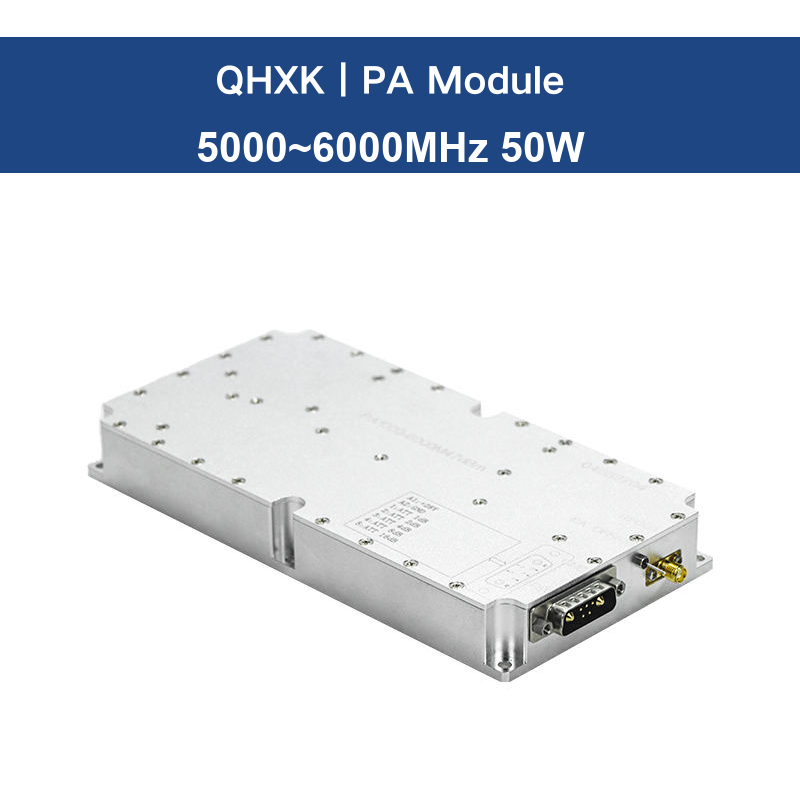
Example: RF Power Amplifier 5000-6000MHz 50W
Suppose a system requires a PA module for VHF-band applications:
Typical specifications:
- Frequency Range: 5000-6000MHz
- Output Power: 50W
- Gain: 46dB
- Operating Voltage: 24–28V
- RF Connector: SMA
- Continuous Duty Operation Support
This type of module is commonly used in telemetry systems, wireless data transmission, RF testing, and communication projects where stable signal amplification is required.
Selection Tip: Evaluate frequency range, gain, output power, efficiency, and thermal management to ensure optimal system performance.
How to Choose the Right PA Module
Frequency Range
Select a module that supports your system’s operating frequency.
Output Power
Choose output power based on transmission distance, antenna performance, and system requirements.
Gain
Match the required gain to the available input signal and desired output performance.
Power Supply
Ensure compatibility with your available voltage and current supply.
Thermal Management
Proper cooling is critical for stable operation, especially in high-power applications.
Application Requirements
Consider priorities like efficiency, linearity, compact size, or continuous operation capability depending on your use case.
Frequently Asked Questions
What is a PA module used for?
A PA module amplifies RF signals before transmission, increasing signal strength and communication range.
How does a PA module improve communication performance?
By increasing signal power, a PA module overcomes transmission losses and improves communication reliability.
Do PA modules require cooling?
Yes. High-power PA modules generate heat and typically require heatsinks or active cooling for stable long-term operation.
What output power should I choose?
Output power depends on communication distance, antenna gain, system architecture, and application requirements.
If you are selecting a PA for a real project, browse QHXK RF power amplifier modules or send your required frequency, output power, and voltage through the RFQ form.
Related QHXK RF Guides
Continue with these related QHXK engineering and product resources: